







Search Results for: Ice Brown
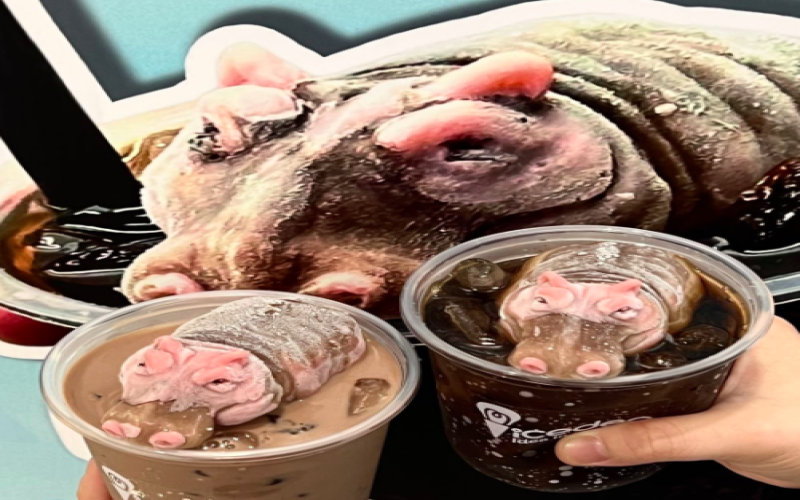
Thailand's Moo Deng coffee goes viral online: top star baby hippo Moo Deng becomes ice cream decoration, sparking heated discussion
Recently, a drink called "Hippo Coffee" has gone viral on social media, with many netizens traveling to Thailand specifically to check it out. This cup of coffee, priced at 99 Thai baht (about 21 RMB), doesn't taste particularly special compared to regular coffee—its highlight is a lifelike hippo-shaped ice cream lying on the surface of the liquid. This hippo isn't just a randomly designed cartoon figure; it's modeled after the hugely popular baby pygmy hippo "Moo Deng" (Bouncy Pig) at Thailand's Khao Kheow Open Zoo. However, this highly realistic hippo soaking in dark brown coffee has also led many netizens to exclaim that they "can't bear to take a bite." This article takes you behind the story of how this hippo coffee became a hit. [more…]

How Do You Make Starbucks Iced Shaken Espresso? A Complete Three-Step Tutorial to Recreate Fancy Iced Coffee
On a sweltering summer day, a layered iced specialty coffee always turns heads. Starbucks' Iced Shaken Espresso, with its striking three-layer look of dark brown espresso, milk-tea-colored milk, and fluffy coffee foam, has become the top choice for many coffee lovers to recreate at home. This time, Front Street Coffee will walk you through the making logic of this drink: use espresso with ice cubes and vanilla syrup, shake it in a cocktail shaker to whip in air and build a thick foam layer, then pour in oat milk through the layers to create a unique texture where grain and coffee intertwine. From ingredient preparation to extraction parameters, shaking technique, tasting the finished drink, and ideas for flavor variations, this article restores the complete process step by step, so you can easily make your own refreshing yet rich Iced Shaken Espresso at home. [more…]

Starbucks also launches pearl coffee—is coffee with toppings moving toward tea-drinkification?
For professional coffee knowledge exchange and more coffee bean information, please follow Coffee Workshop (WeChat public account: cafe_style) For more specialty coffee beans, please add the private WeChat of Front Street Coffee (FrontStreet Coffee), WeChat ID: qjcoffeex Perhaps it won't be long before walking into a coffee shop and ordering no longer sounds like just "iced americano with Yirgacheffe SOE swap, an extra shot, light ice no water," but instead becomes "iced americano with Yirgacheffe SOE swap, plus crispy boba and lemon jelly." From Heytea putting brown sugar boba into coffee, to Luckin using brown sugar agar to create its Meteorite Latte, to Starbucks trying caramel coffee popping boba in certain regions, adding toppings to coffee is no longer anything new. This innovation path has both attracted a large number of young consumers and continually sparked debate among traditional and specialty coffee enthusiasts. This article sorts out several key moments in the tea-ification of coffee and discusses what this change means for the coffee industry. [more…]
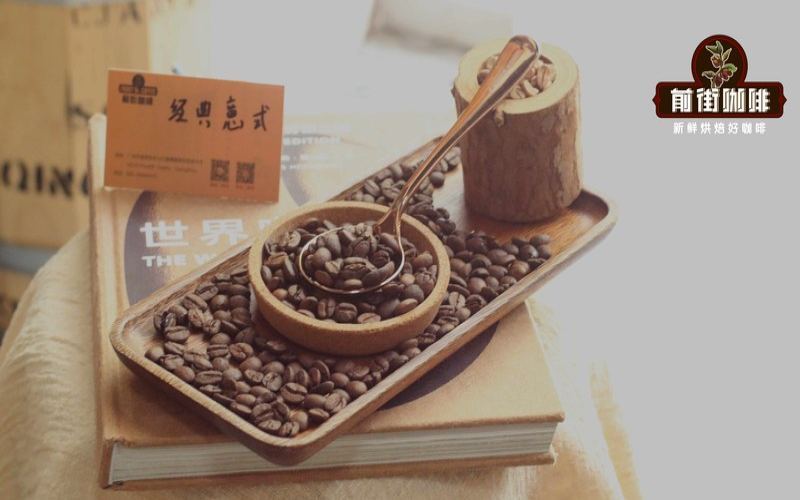
Choosing Cold Brew and Ice Drip Coffee Beans by Roast Level: Three Flavor Directions Explained at a Glance
Cold brew and ice drip both involve low-temperature, longer extraction, and typically taste gentler than hot coffee on the palate, with aromas becoming more subdued when chilled. When choosing beans, the roast level can serve as a clear guide: light roasts tend to retain fruit and floral notes, medium roasts put sweetness and smoothness at the forefront, while medium-dark roasts suit those who prefer cocoa [more…]

Two Approaches to Iced Pour-Over Coffee: An Analysis of Extraction Differences Between Adding Ice First and Adding Ice Later
While the north is still enduring the cold winter, the weather in Guangdong has quietly warmed up in January, and many coffee enthusiasts have begun to turn their attention to iced pour-over. In this article, Front Street Coffee selects the Ethiopian Yirgacheffe Red Cherry natural bean and conducts a practical test of two iced pour-over methods: one is to drop the ice directly into the sharing pot placed under the dripper, and the other is to mix the coffee liquid with ice only after the hot pour-over is completed. The two methods show obvious differences in flavor presentation. The former has a flat mouthfeel and insufficient layers, while the latter displays a full fruity feel and honeyed sweetness. The article records in detail the water temperature, coffee-to-water ratio, grind size, and staged pouring specifics, and explains how the V60 dripper structure affects extraction layering, helping readers understand the extraction logic behind ice-first versus ice-later. [more…]
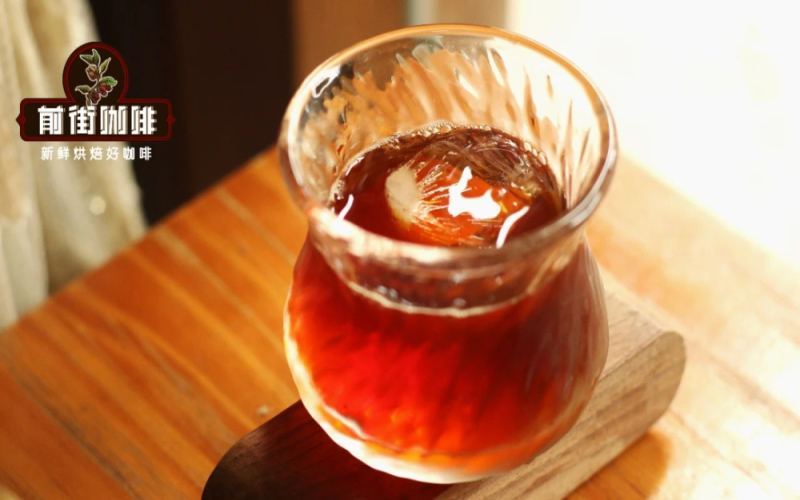
Summer Iced Coffee Brewing Guide: Four Iced Extraction Methods and Flavor Analysis of Front Street Coffee Gesha Village Chaka Beans
In the height of summer, a glass of ice-cold coffee always brings a uniquely refreshing experience. This time, Front Street Coffee has chosen the CHAKA sun-dried beans from Gesha Village and extracted them using four methods: hot pour-over, ice-fire brew, Japanese-style iced pour-over, and cold brew, to explore how the same beans express their flavors as temperature changes. Gesha Village CHAKA belongs to the estate's blended lot, composed of three varieties—Gori Gesha, Gesha 1931, and Illubabor. After a light roast, it presents a balanced profile of citrus, oolong tea, and cream. The different iced extraction methods bring out distinct layers of complexity, sweetness, and juiciness, making them well worth trying one by one for coffee enthusiasts. [more…]
Comparison of Two Iced Pour-Over Coffee Methods: Why the Flavor Difference Is So Pronounced When Ice Is Added First Versus Last
As the weather warms up, iced pour-over coffee has once again returned to the attention of coffee lovers. In this article, Front Street Coffee uses Ethiopian sun-dried Red Cherry coffee beans as an example, employing a Hario V60 dripper, to compare two iced pour-over brewing methods—adding ice cubes before extraction, and pouring the brewed coffee over ice after extraction is complete. Under the premise that both use identical parameters such as coffee-to-water ratio, water temperature, and grind size, the final flavor profiles turn out to be worlds apart. The article documents in detail the brewing steps and flavor descriptions of both methods, and analyzes the reasons behind the differences from the perspective of the V60 dripper's layered extraction characteristics. If you also want to make a richly layered, sweet and full-bodied iced pour-over at home, why not follow along with Front Street and see exactly how these two methods differ. [more…]
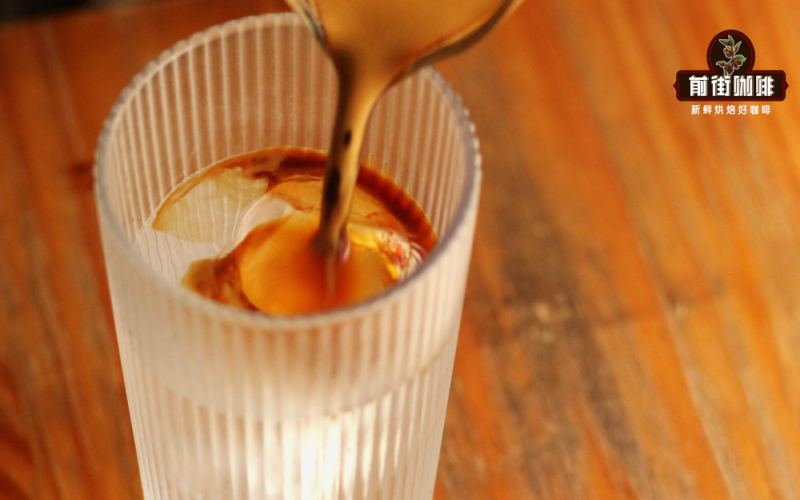
The Standard Method for Americano | How to Choose Espresso Beans? What Ratio for Iced Americano Tastes Best? What Is the Extraction Principle of Americano Coffee?
Many friends have asked Front Street Coffee, "How exactly do you make your iced Americano? It's so delicious!" As a staple on coffee shop menus, the Americano tastes a little different at every coffee shop. So Front Street Coffee is going to share our Americano recipe with everyone. The origin of Americano [more…]
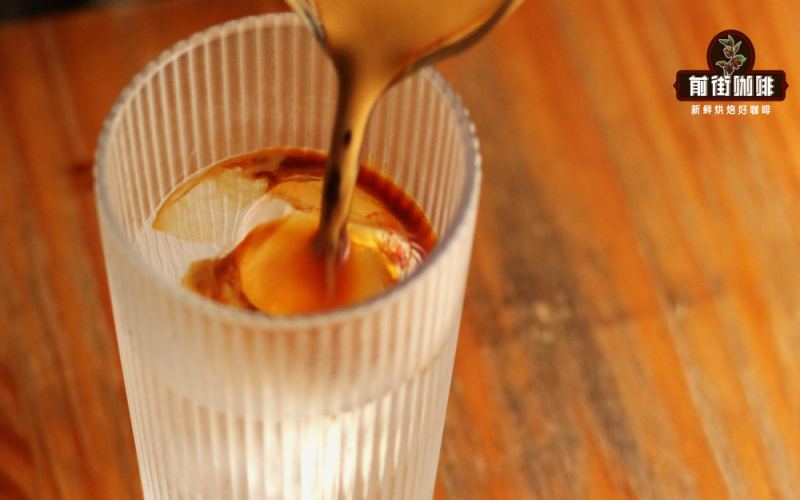
The Complete Guide to Making Iced Americano: Espresso Ratios, Flavor Changes, and the Feasibility of Instant Coffee
Iced Americano is one of the most common drinks on café menus, yet the methods and flavors vary noticeably from shop to shop. This article focuses on making an iced Americano, starting with the origins of Americano coffee, explaining in detail how the ratio of espresso to water affects strength and mouthfeel, and, drawing on hands-on testing at Front Street Coffee, analyzing what kinds of coffee beans suit the three ratios of 1:4.5, 1:6, and 1:8. The article also shares special ideas about adding water and ice to an iced Americano, as well as the flavor performance of Front Street Sunflower Warm Sun espresso blend coffee beans, helping coffee lovers understand how to make a delicious iced Americano. [more…]
Why Is Americano So Beloved? From Strength Ratios to Iced and Hot Methods, Explained in One Go
Americano is one of the most common items on a coffee shop menu, yet the flavor varies widely from shop to shop. Some people prefer it rich and heavy, while others like it light and easy to drink. Behind this lies a close relationship with the espresso extraction yield, the dilution ratio, and the amount of ice used. This article begins with the historical origins of Americano, sorts out the differences in approach between hot Americano and iced Americano, and, through Front Street Coffee's actual testing, compares the concentration and sensory performance corresponding to three dilution ratios—1:4.5, 1:6, and 1:8—explaining why Front Street Coffee ultimately chose 1:4.5 as the serving ratio for hot Americano, and why iced Americano should use less water and large ice cubes. It will also explain the impact of coffee bean selection on the final flavor, helping coffee enthusiasts understand the logic of ratios and find an Americano method that suits their own taste. [more…]
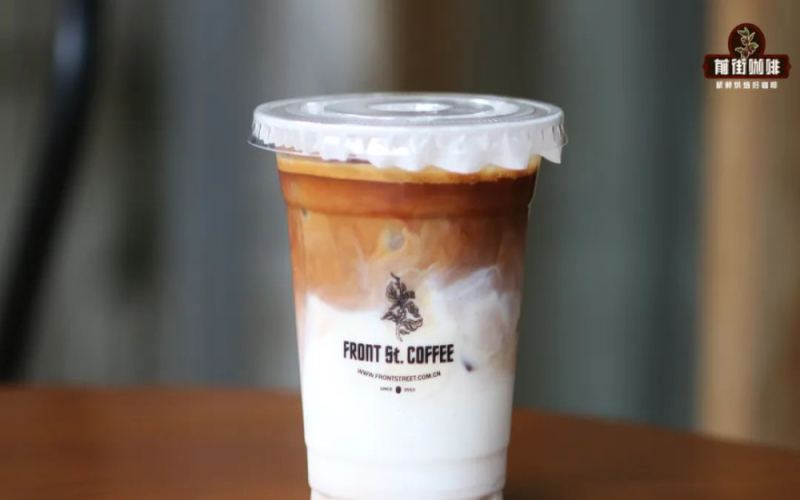
The Complete Iced Coffee Family: From Ice Drip to Cold Brew, Flavor Differences and Key Production Points of Various Iced Coffees
On a scorching summer day, a glass of iced coffee always brings refreshing coolness that delights the senses. But the world of iced coffee is far more than just iced Americano—from the distinctly layered iced latte and the cool, fragrant café au lait, to the rich and creamy iced mocha, and the cold brew and iced drip that have gained great popularity in recent years, each has its own unique brewing process and flavor profile. This article will systematically sort out the types and characteristics of common iced coffees, while also extending to introduce the basics of classic coffees such as Americano, cappuccino, mocha, espresso, macchiato, and con panna, helping coffee enthusiasts clarify the differences between them and find the cup that best suits their taste. [more…]
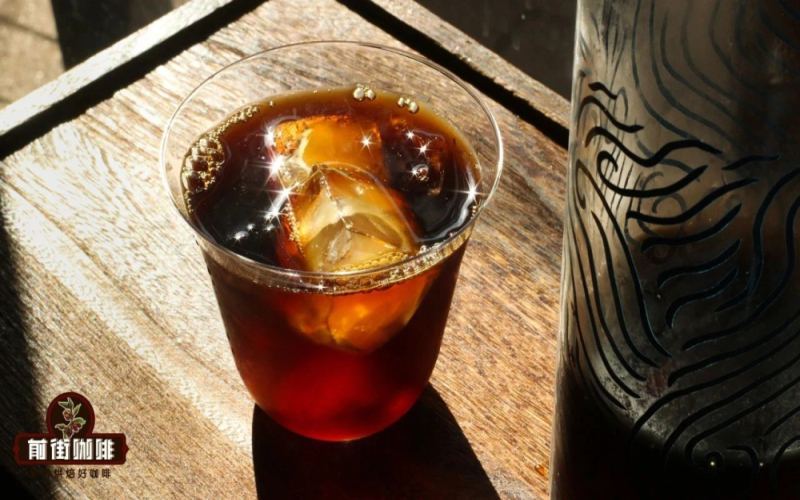
The Best Drinking Window for Hot Pour-Over and Cold Brew / Ice Drip Coffee: How Long Can It Be Stored After Brewing?
In the heat of summer, a glass of iced coffee always refreshes you instantly. But whether it's hot pour-over left to cool, or cold brew and ice drip coffee stored in the fridge, each has its own window of peak flavor. This article uses Front Street Coffee's Kenya Asalia as an example, first introducing the brewing parameters and flavors of hot pour-over and Japanese-style iced pour-over coffee, then breaking down in detail the methods, coffee-to-water ratios, extraction times, and refrigeration recommendations for cold brew and ice drip coffee. You'll learn: why hot black coffee should be finished before it cools completely, how cold brew coffee's flavor evolves within 5 days of refrigeration, why ice drip coffee is best consumed within 3–4 days, and how to adjust drinking timing based on fermentation time, so that every glass of iced coffee is at its best. [more…]
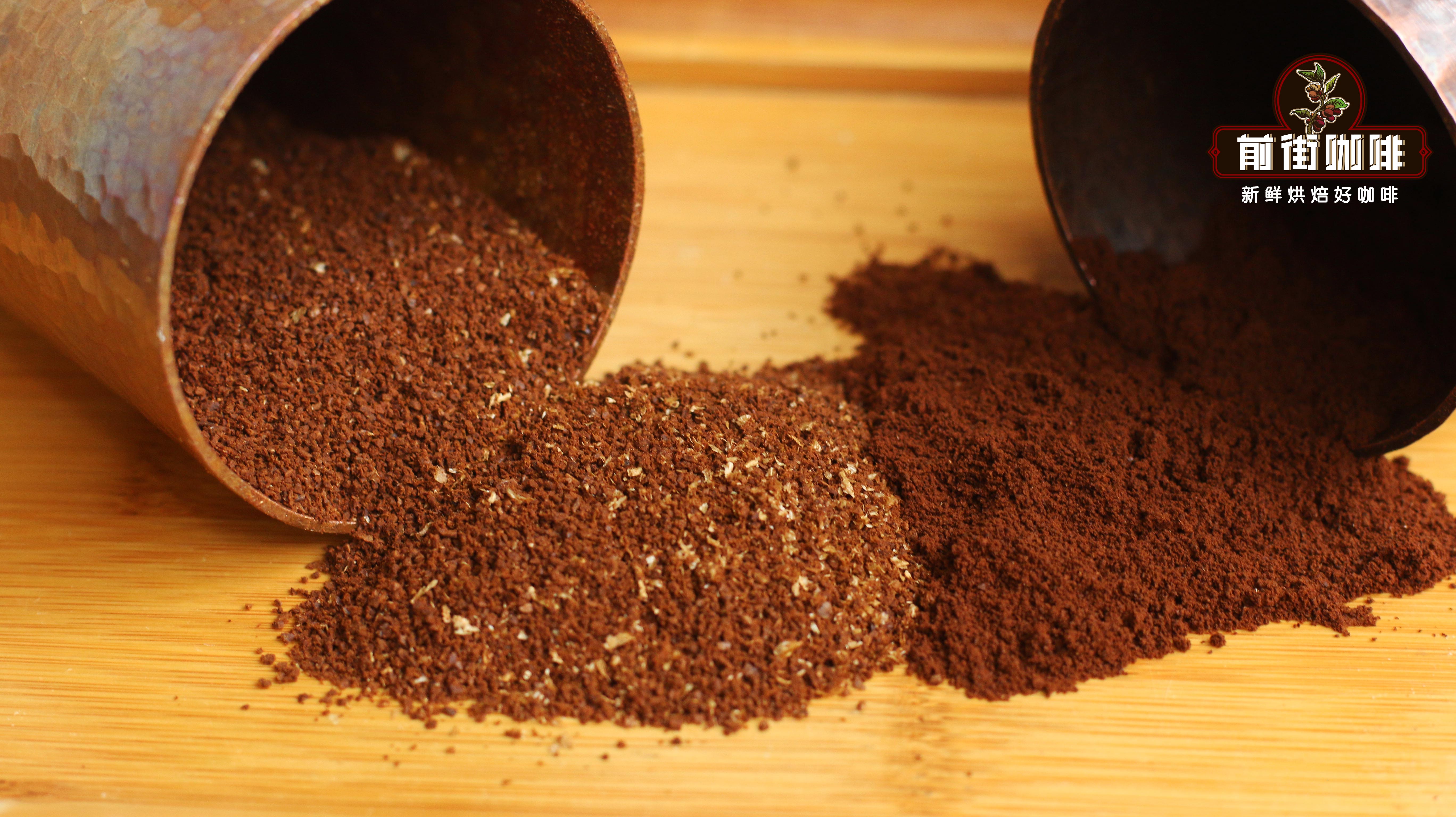
Coffee Grind Size Parameters | Pour-Over, Cold Brew, Ice Drip, Moka Pot – How Fine Should Coffee Grounds Be? A Guide to Using the Common Coffee Grind Size Reference Chart
"Excuse me, what grind size should I use for pour-over coffee?" "Why is the grind at setting 10 on your machine different from setting 10 on mine?" "When you say 'sugar-like,' do you mean caster sugar, granulated sugar, or brown sugar?" ... Are you still struggling to find the right grind size for your coffee brewing device? Front Street has an article to [more…]
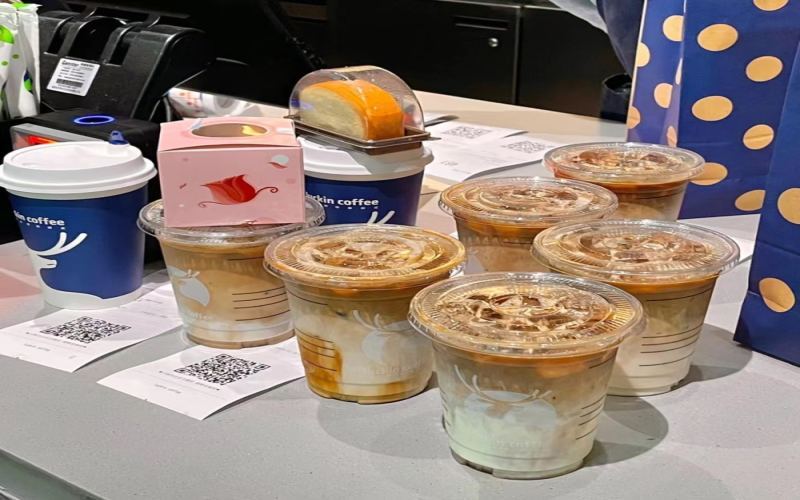
Uncovering the Pricing Differences Across Luckin Coffee Stores: 2023 Latest Price List and Top 10 Most Popular Drinks
Luckin Coffee has amazed everyone in recent years with its rapid product iteration and endless stream of new releases, but have you noticed that prices actually differ from store to store? This article compiles Luckin's latest 2023 price list, covering classic coffees, the Little Black Cup SOE series, the Coconut Latte family, Velvet Latte, and other popular products, and also ranks the top ten drinks most worth trying. At the same time, it provides an in-depth analysis of phenomena such as price differences caused by store tiering and self-pickup being more expensive than delivery, combining media investigations and statements from store staff. In addition, the article also retains related recommendations from Front Street Coffee for coffee lovers' reference. Whether you are a regular Luckin customer or a coffee beginner, this article can help you choose that cup more wisely. [more…]

Front Street Sun-Dried Typica Cold Brew Tutorial: A Full Analysis of Yunnan Arabica Varieties, Origins, and Brewing Flavors
The history of Yunnan small-bean coffee can be traced back to Typica and Bourbon, the two oldest Arabica varieties, which have pure flavors and a round, sweet taste, yet were gradually replaced by Catimor due to low yield and poor disease resistance. Today, most Yunnan small-bean coffee on the market is mainly Catimor. Front Street Coffee's Yunnan small-bean coffee, after wet processing, shows a balanced profile of brown sugar, nuts, and plum, making it suitable for beginners. If you want to experience a more refined Yunnan flavor, Front Street Coffee's 2013 sun-dried Typica comes from a high-altitude production area in Lincang. The sun-dried processing and medium roast bring layers of dried apricot, black tea, creamy nuts, chocolate, and Sanhua plum, and it can be brewed by pour-over, French press, ice drip, or cold brew. This article will use cold brew as an example to break down in detail the complete steps from bean selection, grinding, steeping, to filtering and dilution, helping you make a clean and smooth cup of Yunnan sun-dried Typica cold brew. [more…]
Luckin Coffee's 2023 price list is out: Differences in store pricing spark heated discussion—is self-pickup actually more expensive than delivery?
Luckin Coffee's latest 2023 store price list has been announced, clearly listing prices for series such as the Classic Latte, SOE Little Black Cup, and the Raw Coconut Family. However, consumers have recently discovered that the same drink is priced differently at different stores, and in some cases the pickup price is even higher than the delivery price—a phenomenon that has sparked widespread discussion. Luckin Coffee officially responded that, due to differences in logistics and operating costs, stores may apply for price adjustments, with a maximum increase of 3 yuan. This article compiles the complete price list and reviews the changes in Luckin's pricing strategy and their impact on consumers. [more…]
How to Fix Sour Blue Mountain Coffee When Brewing? A Comprehensive Analysis of Seven Brewing Methods and Techniques
How should you brew Front Street Blue Mountain Coffee to make it taste good after buying it home? This article compiles seven extraction methods suitable for Front Street Blue Mountain Coffee, from espresso, latte, and Americano, to various pour-over drippers, siphon, AeroPress, French press, cold drip, and Japanese iced pour-over. Each method provides specific coffee dose, water temperature, grind size, water-to-coffee ratio, and brewing steps. If you feel that the Blue Mountain Coffee you brew tastes too sour, the key issue often lies in the extraction method and parameter combination, as different brewers vary greatly in how they present acidity, sweetness, and bitterness. The article also compares the flavor differences between the Kalita扇形, cake cup, Kono, and V60 drippers, as well as the mouthfeel changes in siphon brewing when adding coffee grounds first versus later, making it easier for coffee enthusiasts to choose a suitable method according to their taste preferences. [more…]

Making Boozy Coffee at Home: 10 Alcoholic Coffee Drinks with Recipes and Methods
Want to find a balance between a gentle buzz and staying clear-headed? Spiked coffee is becoming a new choice for many young people. When you're tired during the day, a hint of alcohol helps relax your nerves; after work at night, a warm alcoholic coffee soothes body and mind; and when the weather turns cold, it brings warmth from the inside out. This article compiles 10 alcoholic coffee recipes suitable for making at home, from simple convenience-store mixes to creative versions with milk foam, and to specialty cocktail coffees with a stronger alcoholic kick, covering pairings with various base spirits such as Baileys, whiskey, gin, brandy, and rum. When making them, there's no need to be rigid—just adjust the amount of alcohol to your personal preference—but be sure to drink in moderation according to your own condition, minors are prohibited from drinking alcohol, and drunk driving is strictly forbidden. At the end of the article, there is also a communication channel for Front Street Coffee (FrontStreet Coffee), making it convenient for coffee lovers to discuss further. [more…]

A Detailed Guide to Seven Extraction Methods for Jamaican Blue Mountain Coffee: A Complete Brewing Guide for Front Street Blue Mountain No. 1 from Espresso to Cold Drip
Jamaican Blue Mountain coffee is renowned for its clean, mild character and balanced acidity, sweetness, and bitterness. The Front Street Blue Mountain No. 1 coffee beans produced by FrontStreet Coffee come from Clifton Estate—an old farm with Rainforest Alliance certification. This article will start with basic knowledge such as the origin background, grade standards, and washed processing, and systematically outline seven brewing methods for Blue Mountain No. 1, covering espresso, pour-over, siphon, AeroPress, French press, cold drip, and Japanese iced pour-over, along with the parameters, techniques, and flavor performance of each method, helping coffee lovers fully explore the diverse possibilities of this bean in daily life. [more…]

How to brew Jamaican Blue Mountain coffee for the best taste? A complete guide from bean grades to 7 brewing methods
Blue Mountain coffee is famous for its scarce production and high price, but products sold under the "Blue Mountain" name on the market are a mix of genuine and fake. This article first helps you understand the origin certification, grading system, and estate system of authentic Jamaican Blue Mountain coffee, then breaks down in detail seven brewing methods for Front Street Blue Mountain No. 1 coffee beans—espresso, pour-over, siphon, AeroPress, French press, cold drip, and Japanese iced pour-over. Each method comes with parameters and flavor descriptions, making it easy for coffee lovers to choose according to their own taste. [more…]